This case study compares how two apparel companies compete for memorability and positive experiences. It compares how Calvin Klein and Diesel have not only created different brand concepts for the same product (jeans), but exploit customer experiences differently.
Calvin Klein
Calvin Klein was born in 1952 and grew up in the 1960s in America, a culture that loved their blue jeans. He started his first shop in New York City in 1968 selling coats. In 1969 he appeared on the cover of Vogue magazine, a trendy fashion magazine. In the mid-1970s he put his name on the back of his jeans and by 1978 he was able to sell 200,000 pairs of designer jeans in one week.
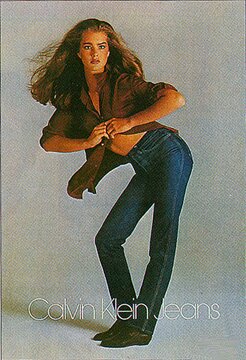
In 1979, Klein’s TV ads showed a 15-year-old Brooke Shields cooing that "nothing comes between me and my Calvins" and "I've got seven Calvins in my closet, and if they could talk, I'd be ruined." His other ads featured adolescents in sexually evocative poses.

After courting a variety of US and global suitors to sell his company, in 2002, Klein sold his company to Phillips Van Heusen for $400 million in cash, as well as $30 million in stock and various licensing arrangements.
Sure, the ads are old -- but they established a tone for the brand that has since "grown up" with more classically rendered, black-and-white, body-beautiful advertising. They leveraged beauty and desire in a very particular way. And periodically, Calvin has tried to keep the brand relevant to younger people to avoid "Cadillacking" themselves with a great product that only sells to older people. According to Wikipedia, “They also play with emerging technologies. When advertising cKone perfume in 1999, they employed a very unusual and groundbreaking campaign that displayed e-mail addresses in print advertisements, targeted at teenagers (such as anna@ckone.com or nick@ckone.com).
When teens sent emails to the addresses, they would be placed on a mailing list that sent them emails with vague details about the models' lives, with fake details meant to make them more relatable. These mails came at unpredictable intervals, and were supposed to give readers the feeling that they had some connection with these characters. Though the mailing lists were discontinued in 2002, the campaign has inspired similar marketing tactics for movies and other retail products.”
In my customer experience management framework, I define the three faces of a touchpoint (which might include posters, ads and emails in this example) as:
1. Hierarchy of values, time and environment (the "frame" for the experience, both external and internal)
2. Attributes of the touchpoint (things you can point to, measure, fix)
3. Associations related to the touchpoint (this "feels like" something I know, "reminds me" of something I know, "evokes" a feeling or idea separate from the product or brand per se).
NEXT TIME: My ideas about these questions ... and a few words about Diesel.



No comments:
Post a Comment